
Wisdom Coach And Counselor
About
Your first Coaching session
At your first session, your coach/counselor will typically gather information about you and ask what concerns you'd like to work on. The coach/counselor will likely ask you about your current and past physical and emotional health to gain a deeper understanding of your situation. Your coach/counselor may discuss whether you might benefit from other treatment as well, such as medications.
The first session is also an opportunity for you to interview your coach/counselor to see if he or she will be a good match for you. Make sure you understand:
• His or her approach
• What type of coaching and counseling is appropriate for you
• The goals of your treatment
• The length of each session
• How many coach/counselor sessions you may need coaching and counseling
It might take a few sessions for your coach/counseling to fully understand your situation and concerns, and to determine the best course of action. If you don't feel comfortable with the first coach/counselor you see, try someone else. Having a good "fit" with your therapist can help you get the most benefit from CBT.
During CBT
Your coach/counselor will encourage you to talk about your thoughts and feelings and what's troubling you. Don't worry if you find it hard to open up about your feelings. Your coach/counselor can help you gain more confidence and comfort.
CBT generally focuses on specific problems, using a goal-oriented approach. As you go through the coaching and counseling process, your coach/counselor may ask you to do homework — activities, reading or practices that build on what you learn during your regular coaching and counseling sessions — and encourage you to apply what you're learning in your daily life.
Your coach/counselor's approach will depend on your particular situation and preferences. Your coach/counselor may combine CBT with another coach/counselor approach — for example, interpersonal therapy, which focuses on your relationships with other people.
Steps in CBT
CBT typically includes these steps:
• Identify troubling situations or conditions in your life. These may include such issues as a medical condition, divorce, grief, anger or symptoms of a mental health disorder. You and your coach/counselor may spend some time deciding what problems and goals you want to focus on.
• Become aware of your thoughts, emotions and beliefs about these problems. Once you've identified the problems to work on, your coach/counselor will encourage you to share your thoughts about them. This may include observing what you tell yourself about an experience (self-talk), your interpretation of the meaning of a situation, and your beliefs about yourself, other people and events. Your coach/counselor may suggest that you keep a journal of your thoughts.
• Identify negative or inaccurate thinking. To help you recognize patterns of thinking and behavior that may be contributing to your problem, your coach/counselor may ask you to pay attention to your physical, emotional and behavioral responses in different situations.
• Reshape negative or inaccurate thinking. Your coach/counselor will likely encourage you to ask yourself whether your view of a situation is based on fact or on an inaccurate perception of what's going on. This step can be difficult. You may have long-standing ways of thinking about your life and yourself. With practice, helpful thinking and behavior patterns will become a habit and won't take as much effort.
Length of coach/counselor
CBT is generally considered short-term coaching and counseling — ranging from about five to 20 sessions. You and your coach/counselor can discuss how many sessions may be right for you.
Factors to consider include:
• Type of disorder or situation
• Severity of your symptoms
• How long you've had your symptoms or have been dealing with your situation
• How quickly you make progress
• How much stress you're experiencing
• How much support you receive from family members and other people
Confidentiality
Except in very specific circumstances, conversations with your coach/counselor are confidential. However, a coach/counselor may break confidentiality if there is an immediate threat to safety or when required by state or federal law to report concerns to authorities.
Photos and videos


No reviews (yet)
Frequently asked questions
What is your typical process for working with a new customer?
I require a phone interview with an intake form completed. I provide an information packet describing my coaching and counseling sessions process.
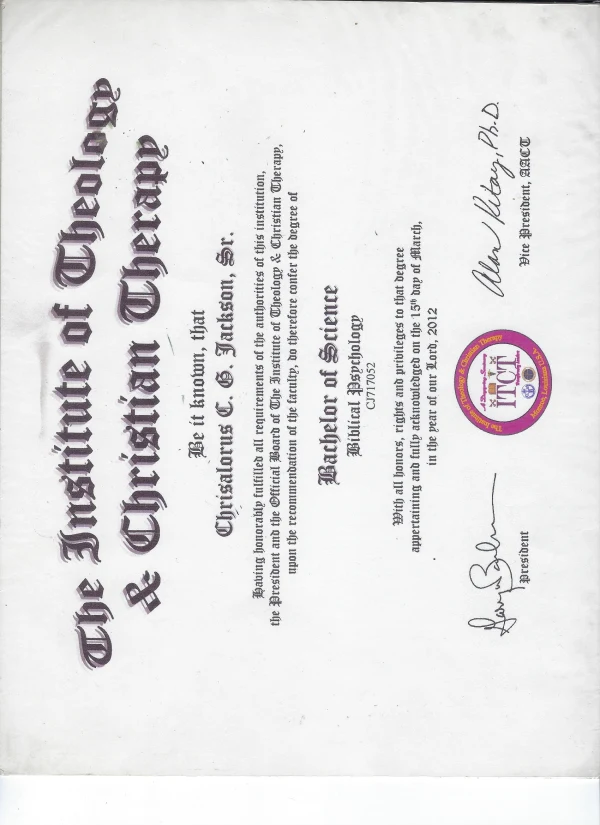
What education and/or training do you have that relates to your work?
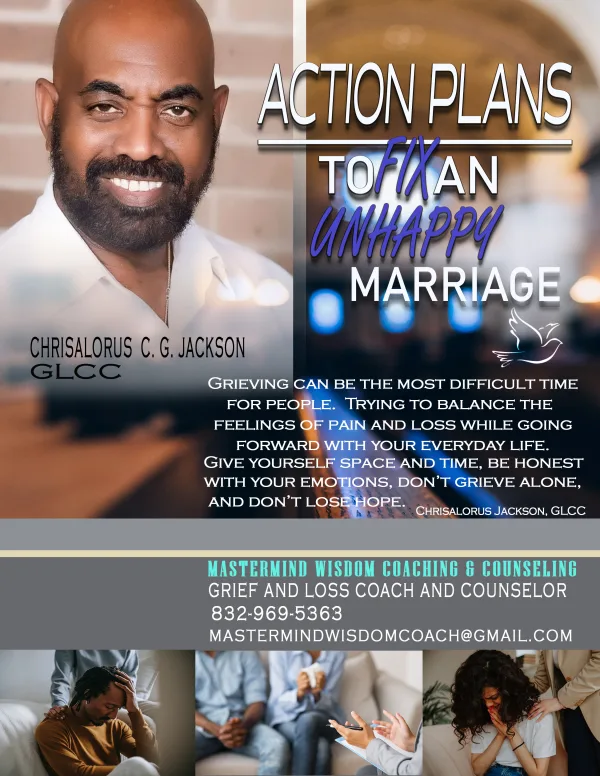
I have a BA in Biblical Psychology, I am a Certified Christian Coach and Counselor, Cognitive Behavioral Trainer, Neuro Linguistic Program Practitioner, Alternative Resolution and Conflict Mediator, Choice Theory Coach, Grief and Loss Counselor.