
Christopher Acord, MS, LLP, ICISF, Psychologist
Services offered
About
My area of expertise is in Positive Psychology. The focus is to build on strengths rather than focus on pathology. I have been conducting group therapy session for justice involved persons for 20 years. Cognitive Behavioral therapy, Cognitive Reflective Communication, Cognitive Restructuring, Education and Coaching for improved well-being are the focus of my practice.
The most rewarding part of my work is facilitating personal growth, improved lifestyle choices, and overall well-being for my clients. It is especially rewarding when a person becomes fully engaged in the pursuit of meaningful changes in their life.
Highlights
Payment methods
Photos and videos

No reviews (yet)
Frequently asked questions
What is your typical process for working with a new customer?
I have worked as a teacher, coach, professor, supervisor, and therapist in my professional career. My therapeutic approach is Psychoeducational in nature. The plain truth is that a professional counselor cannot "waive a magic wand or sprinkle some pixie dust over you to make all of your difficulties dissappear". We will spend time getting to know one another; then we will apply specifically selected psychoeducational resources most likely to have value in aiding your progression toward wellness. We will discuss and create an action plan for your unique change process, build new "habits of mind", address the impact of expectations and automatic thoughts, and create an evidence-based, targeted, therapeutic intervention program specific to your needs. Much of my professional career has been working with a patient/offender prison population. It has been both challenging and rewarding. My work with this population has illustrated to me that anyone can achieve mental wellness and even construct a foundation that allows them to flourish. If you are struggling with depression, anxiety, impulse control, grief, anger, or processing some trauma you have experienced, please let me help you.
What education and/or training do you have that relates to your work?
My career path is unique when compared to many Therapists. I began working in the state prison system in September 1994. I began my career as a Corrections Officer at the Ryan Correctional Facility in Detroit. I promoted to Resident Unit Officer supervising a Dialysis Unit that housed Level I–VI offenders at the Ryan Facility. While at Ryan I was trained to conduct Cognitive Restructuring Psychotherapy groups with offenders. When I promoted to the Thumb Correctional Facility as a Resident Unit Officer, I was assigned to supervise a Juvenile Offender Housing Unit (14 to 19-year-old male offenders sentenced as adults). I continued to conduct Cognitive Restructuring groups and was trained to facilitate Motivational Interviewing individual and group sessions with the Juvenile offenders. I promoted to Sergeant in 2001 at the Saginaw Correctional Facility in Freeland. While their I continued to facilitate the afore mentioned forms of therapy sessions and was additionally trained to use Cognitive Reflective Communication in the group and individual facilitated sessions. I then promoted to Training Lieutenant (Institutional Training Officer) at the Standish Maximum Correctional Facility. In my role as a full-time training officer, I was qualified as a master departmental trainer in the three forms of offender success focused intervention techniques previously mentioned. I have also worked non-departmental part-time positions during my career. I taught at Baker College – Flint and at Delta College – Saginaw as an Adjunct Faculty member teaching multiple criminal justice and corrections courses for ten years. The course titles instructed included introduction to criminal justice, client growth and development, criminology, criminal law, and criminal investigation. After several prison closures and consolidations led to an extended lay off I began working as a Criminal Justice Certified Alcohol and Drug Counselor (CJCADC) working with adjudicated youth and court ordered adults in Arenac, Iosco, and Ogemaw Counties for substance abuse treatment, domestic violence prevention, and dual-diagnosis afflictions for the Sterling Area Health Clinic. This work was the catalyst for furthering my education. I have added to my Bachelor's Degree in Criminal Justice. Over the last 8 years while working I have completed a Master's Certificate in Educational Psychology, a Master's Certificate in Forensic Psychology, a Master's Degree in General Psychology, and am currently writing my dissertation to complete my Ph.D. in General Psychology with an emphasis in Performance Psychology. My corrections duties have included curriculum development, end user instruction, and Train-the-Trainer master instructor qualifications for new Sergeant and new Supervisor Leadership programming as well as master departmental instructor certification for facilitating offender groups for over 15 years in multiple topics: substance abuse education, cognitive restructuring, motivational interviewing, cognitive reflective communications, Thinking Matters, Cage Your Rage, and Thinking for Change.
Do you have a standard pricing system for your services? If so, please share the details here.
When working with direct pay clients the fee schedule will be agreed upon prior to the first scheduled appointment. I am still going through the lengthy insurance credentialling process.
How did you get started in this business?
My nature has always been to teach, coach, mentor, and encourage co-workers, friends, and family. I finally figured out what I wanted to be when I grew up when my primary employment gone due to being laid off. So, I went back to college to do something I love doing, help people.
What types of customers have you worked with?
I have worked with those struggling with addiction, impulse control, grief, traumatic stress, depression and anxiety.
Describe a recent event you are fond of.
Celebrating 25 years of marriage to my beautiful best friend.
What advice would you give a customer looking to hire a pro in your area of expertise?
First impressions matter. The best counselor-patient relationships require a comfortable connection, mutual trust.
What questions should customers think through before talking to pros about their needs?
The American Psychological Association suggests considering therapy when something causes distress and interferes with some part of life, particularly when:
- Thinking about or coping with the issue takes up at least an hour each day
- The issue causes embarrassment or makes you want to avoid others
- The issue has caused your quality of life to decrease
- The issue has negatively affected school, work, or relationships
- You’ve made changes in your life or developed habits to cope with the issue
If you experience any of the following emotions or feelings to the extent that they interfere with life, therapy may help you reduce their effects. It’s especially important to consider getting help if you feel controlled by symptoms or if they could cause harm to yourself or others.
- Overwhelm. You might feel like you have too many things to do or too many issues to cope with. You might feel like you can’t rest or even breathe. Stress and overwhelm can lead to serious physical health concerns.
- Fatigue. This physical symptom often results from or accompanies mental health issues. It can indicate depression. Fatigue can cause you to sleep more than usual or have trouble getting out of bed in the morning.
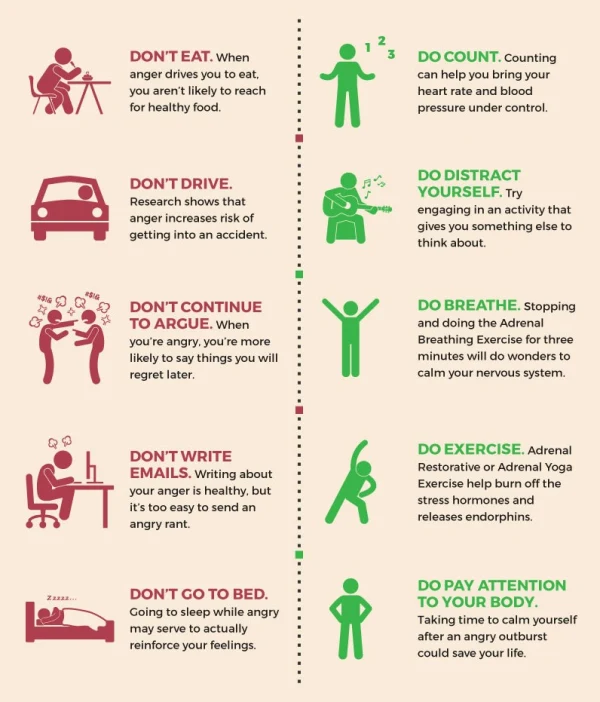
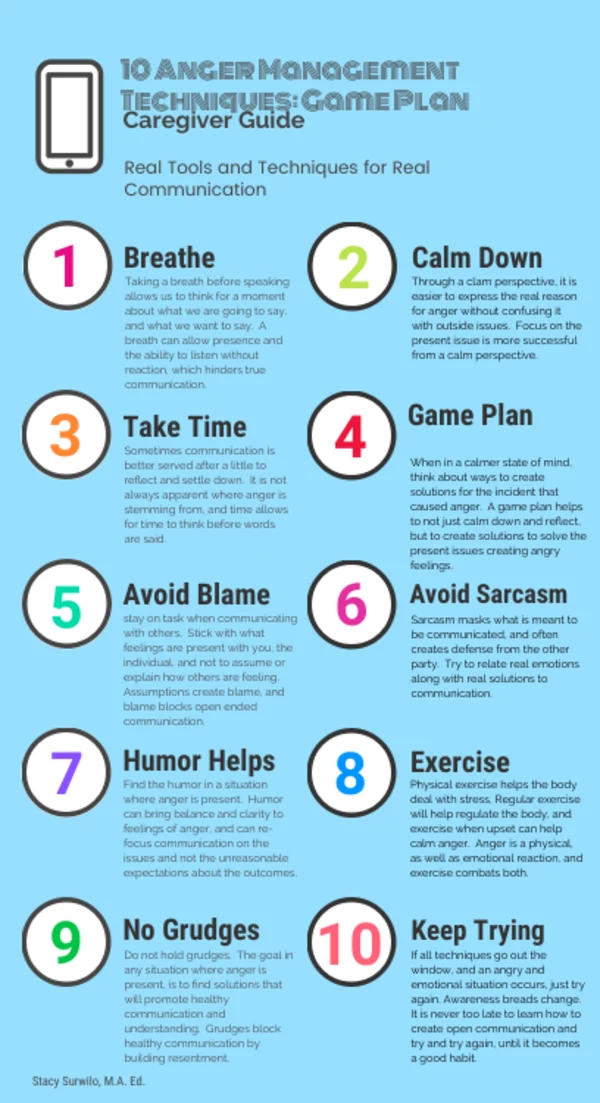
- Disproportionate rage, anger, or resentment. Everyone feels angry at times. Even passing rage isn’t necessarily harmful. Seeking support to deal with these feelings may be a good idea when they don’t pass, are extreme compared to the situation, or if they lead you to take violent or potentially harmful actions.
- Agoraphobia. People with agoraphobia fear being in places where they might experience panic attacks or become trapped. Some people may become unable to leave their houses.
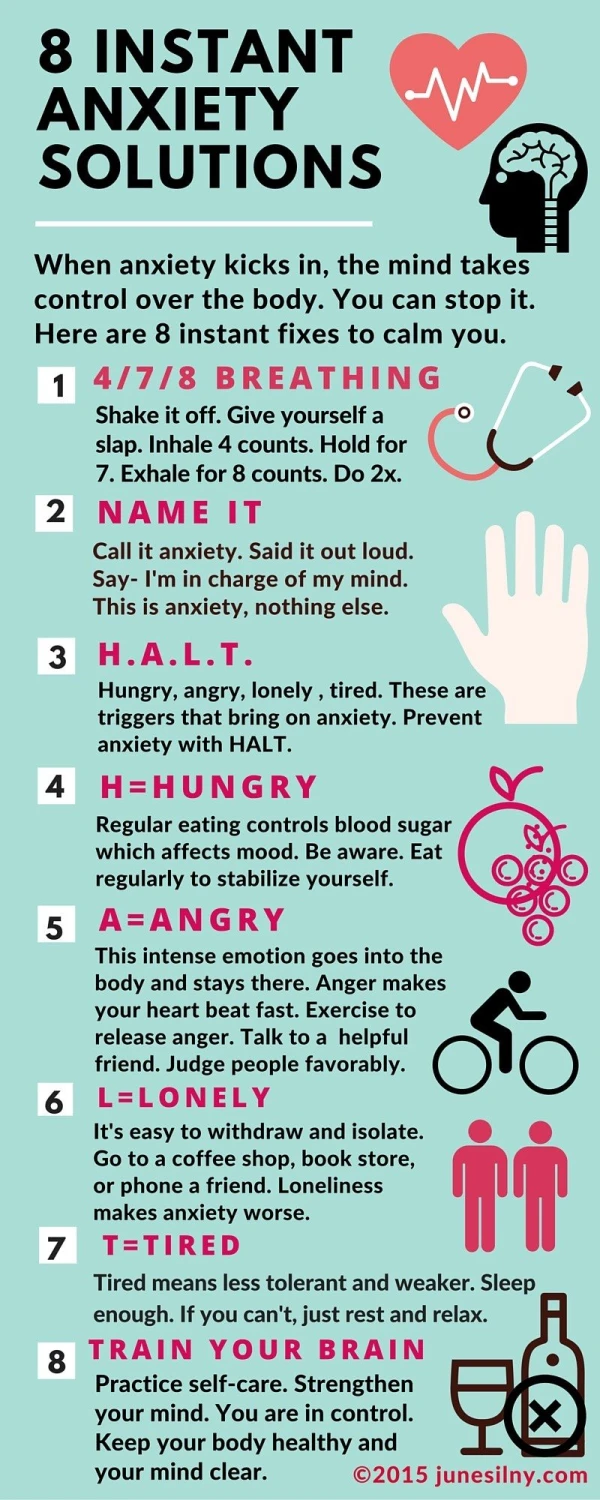
- Anxious or intrusive thoughts. It’s normal to worry about things from time to time, but when worry takes up a significant part of your day or causes physical symptoms, therapy can help you deal with it.
- Apathy. Losing interest in usual activities, the world around you, or life in general can indicate mental health issues like depression or anxiety.
- Hopelessness. Losing hope or motivation, or feeling as if you have no future, can indicate depression or another mental health condition. Feeling hopeless from time to time, especially after a period of difficulty, isn’t uncommon. But when it persists, it may lead to thoughts of suicide.
- Social withdrawal. Many people feel better when they’re able to spend at least some time alone. Introverted people may need even more time alone than others. But if you feel distressed around others or fear being with other people, therapy can help you understand and deal with these feelings.