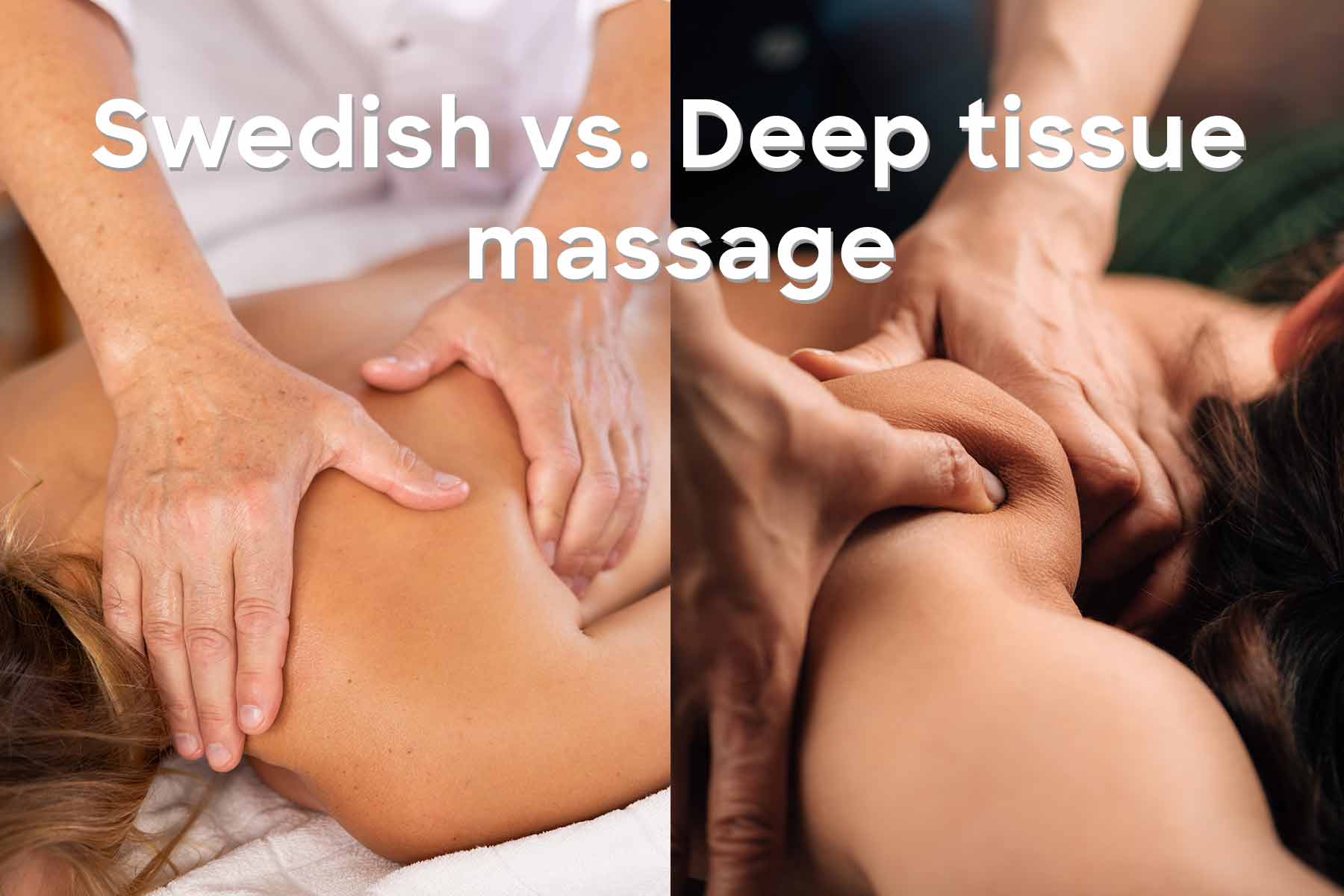
Swedish vs. Deep Tissue Massage: Differences & Benefits

Swedish massage vs. deep tissue
Feeling sore, stressed, or just in need of some dedicated relaxation time? Stepping into the world of massage can feel like learning a new language. Two of the most popular options you'll encounter are Swedish and deep tissue massage. While they both involve a massage table and a skilled therapist, they offer vastly different experiences and benefits.
This guide will walk you through everything you need to know about the difference between Swedish and deep tissue massage. We'll explore the techniques, pressure levels, and intended goals of each modality. By the end, you'll be able to confidently decide which massage will leave you feeling your absolute best.
Swedish massage
Think of Swedish massage as the classic, quintessential relaxation massage. It's often the go-to choice for first-time massage clients or anyone looking to melt away stress and ease general muscle tension. Its primary goal is to relax the entire body, improve circulation, and enhance flexibility.
The pressure can range from light to firm, but it remains focused on the superficial layers of muscle. Your therapist will use long, flowing strokes to calm your nervous system and promote a sense of deep tranquility.
Swedish massage techniques
Swedish massage is built on five fundamental strokes. Your therapist will combine these techniques to create a soothing and effective treatment tailored to you.
Effleurage: Long, flowing strokes to warm muscles and improve blood flow
Petrissage: Kneading, rolling, and lifting to release knots and muscular stress
Friction: Circular, deeper movements to break down tense spots
Tapotement: Rhythmic tapping or percussion that invigorates muscle fibers
Vibration: Rapid shaking motions that help relax targeted areas
Deep tissue massage
Deep tissue massage, as its name suggests, is a more intensive and focused therapy. It's designed to target the deeper layers of muscle and connective tissue, known as fascia. This technique is ideal for addressing chronic pain, muscle adhesions (painful, rigid knots), and injury rehabilitation.
While relaxation can be a byproduct, the main goal is therapeutic and structural. The pressure is consistently firm and deep, focusing on specific problem areas rather than the entire body.
Deep tissue massage techniques
Deep tissue massage uses some of the same strokes as Swedish massage, but the movement is slower, and the pressure is deeper and more concentrated.
Your therapist will often use their knuckles, forearms, and even elbows to apply focused pressure. The techniques are aimed at breaking up scar tissue and physically releasing the chronic muscle tension that causes stiffness and pain. Deep tissue massage therapy may include:
Pressure across muscle grain to help break up adhesions and realign fibers
Targeted pressure on trigger points (specific muscle knots that cause pain in other areas)
Stretching and loosening the fascia around muscles with myofascial release and constant pressure
Swedish vs. deep tissue massage at a glance
The table below highlights the main differences between these two therapeutic modalities to help you quickly identify which style aligns with your goals.
| Feature | Swedish massage | Deep tissue massage |
|---|---|---|
| Primary goal | Full-body relaxation and stress relief | To release chronic muscle tension and knots |
| Pressure level | Light to firm, applied to superficial muscles | Firm to intense, targeting deep muscle layers |
| Techniques | Long, gliding strokes, kneading, and tapping | Slow, forceful strokes and friction on specific areas |
| Best for | Massage newcomers, stress reduction, and gentle tension | Chronic pain, injury recovery, and postural problems |
| Sensation | Soothing, relaxing, and generally pain-free | Can be intense and cause "therapeutic discomfort" |
Key differences explained
Let's dive a little deeper into what those differences mean for your experience on the table.
Pressure and intensity
The most significant difference is pressure. Swedish massage uses a lighter touch to promote relaxation. While you can request firm pressure, it's distributed broadly.
Deep tissue massage uses intense, concentrated pressure to reach deep muscle fibers. It's not about causing pain, but it can be uncomfortable at times. This is often described as a "good hurt" — the kind of discomfort that feels productive and releases long-held tension.
Intended purpose and focus
Your reason for booking a massage is the best indicator of which type you need. If your goal is to de-stress after a long week and soothe your nervous system, Swedish massage is your best bet. It takes a holistic, full-body approach to relaxation.
If you have a specific problem—like persistent lower back pain, a stiff neck, or tight shoulders—deep tissue is the more targeted solution. The therapist will spend most of the session focused on these specific areas to provide therapeutic relief.
Benefits
Both massage styles offer incredible health benefits, but they excel in different areas.
Swedish massage benefits:
Reduces stress and anxiety by calming the nervous system
Improves blood circulation throughout the body
Increases flexibility and range of motion
Boosts mood by increasing dopamine and serotonin levels
Lowers blood pressure
Deep tissue massage benefits:
Provides relief from chronic pain, especially in the neck and back
Helps break down scar tissue and adhesions
May improve posture by releasing tension that throws the body out of alignment
Aids in the recovery of muscle strains and sports injuries
May reduce symptoms of osteoarthritis
Cost
Some establishments charge the same rate for both Swedish and deep tissue massage, while some charge slightly more for deep tissue massage because of its greater physical demands and required skill. On average, a 60-minute Swedish massage costs $60 to $120, and a deep tissue massage costs around $80 to $130 for the same session length.
How to choose the right massage for your needs
Still not sure which to book? Let's make it simple.
You might prefer a Swedish massage if:
You are new to massage therapy.
Your primary goal is relaxation and stress management.
You have a low pain tolerance or are sensitive to pressure.
You're looking for a full-body treatment rather than focusing on one area.
You might prefer a deep tissue massage if:
You suffer from chronic muscle pain, soreness, or specific injuries.
You have stubborn knots that don't seem to go away.
You are comfortable with more intense, focused pressure.
You have a physically demanding job or are an active athlete.
Many skilled therapists combine Swedish and deep tissue techniques in a session. You may enjoy relaxing strokes to start, deeper work on problem areas, and soothing motions to finish. Discuss options with your therapist so they can create a customized treatment that meets your unique needs.
What to expect
Whether you choose Swedish or deep tissue, clear communication and proper aftercare are essential for a great experience.
Before the massage:
Your therapist will ask about your goals, any injuries, and your preferences on pressure. Don’t hesitate to share concerns or ask questions. Your massage therapist is there to help you!
During the massage:
For deep tissue, you might feel more pressure; always speak up if it's too much or not enough. Communication ensures the massage is effective without unnecessary discomfort.
Aftercare:
Mild soreness after deep tissue work is normal, just like after a workout. Be sure to drink water afterward to help flush out toxins and ease muscle recovery. Consider a warm bath to soothe any lasting tension.
Choosing the right massage therapist
Choosing the right massage therapist is just as important as choosing the right massage style. Follow these guidelines to find a Swedish massage therapist or deep tissue massage therapist near you who fits your needs:
Check for credentials. Look for a licensed massage therapist who has graduated from an accredited program.
Read reviews. Check reviews on Thervo and Google to see what other clients say about their experience, professionalism, and the results they achieved.
Look for specialization. If you need deep tissue for a specific injury, find a therapist who specializes in therapeutic, sports, or orthopedic massage.
Ask for recommendations. Friends, family, or your doctor may have great recommendations for therapists they trust.
Questions to ask a massage therapist
Before you book your massage, don't hesitate to ask the therapist a few questions to ensure they're a good fit.
Are you licensed in this state?
What are your specialties?
How much experience do you have with Swedish or deep tissue massage?
How do you typically handle client communication regarding pressure and comfort?
What are your policies for a first-time client?
Do you have experience working with clients who have my specific condition or goal?
Using our proprietary cost database, in-depth research, and collaboration with industry experts, we deliver accurate, up-to-date pricing and insights you can trust, every time.