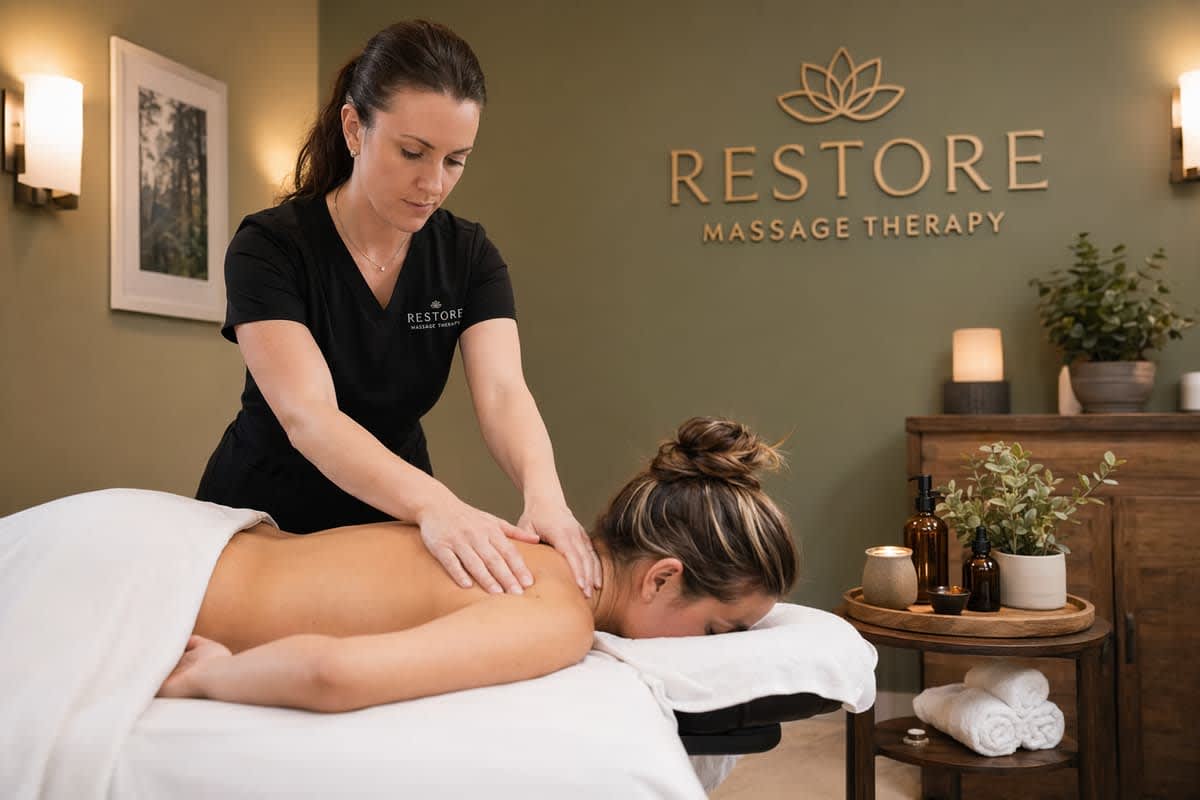
How much does medical massage cost?
How much does medical massage cost?
$70 – $125 average cost per hour

Average medical massage cost
Medical massage costs $55 to $160 per hour in the United States, with most patients paying around $80 to $110 for a standard 60-minute session. Unlike spa massages that focus on relaxation, medical massage targets specific injuries, chronic pain conditions, or musculoskeletal disorders diagnosed by a physician. This clinical focus often means slightly higher pricing than a standard Swedish massage.
Medical massage therapy is prescribed or recommended by a doctor and performed by a licensed massage therapist with specialized clinical training. Because of this, it may qualify for insurance coverage, HSA/FSA reimbursement, or workers' compensation benefits, which can significantly reduce your out-of-pocket expense.
| Session Length | Average Cost |
|---|---|
| 30-minute session | $35 – $70 |
| 60-minute session | $55 – $140 |
| 90-minute session | $95 – $190 |
| 120-minute session | $130 – $240 |
| National average (60 minutes) | $80 – $110 |
Prices vary considerably based on your geographic location, the therapist's credentials, and the specific condition being treated. Urban areas and coastal cities tend to charge 30% to 50% more than suburban or rural clinics. Therapists with advanced clinical certifications also command premium rates.
Medical massage cost by session duration
Session length is one of the biggest factors affecting your total cost. Longer sessions generally offer a lower per-minute rate, but the right duration depends on the severity and scope of your condition. A therapist treating a single injury site may only need 30 minutes, while complex chronic pain often requires 90 minutes or more.
| Duration | Cost Range | Per-Minute Rate | Best For |
|---|---|---|---|
| 30 minutes | $35 – $70 | $1.17 – $2.33 | Single problem area, follow-up sessions |
| 60 minutes | $55 – $140 | $0.92 – $2.33 | Most common; 2 to 3 problem areas |
| 90 minutes | $95 – $190 | $1.06 – $2.11 | Multiple areas or combined techniques |
| 120 minutes | $130 – $240 | $1.08 – $2.00 | Chronic conditions, full-body treatment |
30-minute sessions
Short sessions costing $35 to $70 work well for targeted treatment of a single area, such as a stiff neck, frozen shoulder, or localized lower back pain. They are also common for follow-up appointments after an initial longer session. You pay the highest per-minute rate, but the total out-of-pocket cost stays low.
60-minute sessions
The 60-minute session is the most popular choice, priced at $55 to $140. It gives the therapist enough time to perform an assessment, warm up the tissue, and deliver focused clinical work on two to three problem areas. Most insurance-approved treatment plans are built around this length.
90-minute sessions
At $95 to $190, a 90-minute session allows the therapist to combine multiple techniques, such as myofascial release followed by trigger point therapy, without rushing. Patients with widespread chronic pain or post-surgical rehabilitation often benefit most from this duration.
120-minute sessions
Extended sessions of two hours cost $130 to $240 and are typically reserved for severe or complex cases. The per-minute rate is often the lowest, making these sessions the best value when comprehensive bodywork is needed. Discuss this option with your prescribing physician to determine if it is clinically appropriate.
Cost by type of medical massage
Medical massage is an umbrella term that encompasses several specialized techniques. Each modality requires different levels of training, equipment, and physical effort from the therapist, all of which influence cost. Your doctor or therapist will recommend a specific type of massage based on your diagnosis.
| Massage Type | 60-Minute Cost | Common Uses |
|---|---|---|
| Deep tissue massage | $65 – $130 | Chronic muscle tension, adhesions, scar tissue |
| Myofascial release | $75 – $140 | Fascia restrictions, fibromyalgia, postural issues |
| Trigger point therapy | $70 – $130 | Referred pain patterns, tension headaches, knots |
| Neuromuscular therapy | $85 – $160 | Nerve compression, sciatica, repetitive strain |
| Sports massage | $75 – $130 | Athletic injuries, recovery, performance |
| Lymphatic drainage | $80 – $150 | Post-surgical swelling, lymphedema |
| Craniosacral therapy | $85 – $160 | Migraines, TMJ disorders, central nervous system |
| Swedish (therapeutic) | $55 – $100 | General pain relief, circulation, stress reduction |
Deep tissue massage
Deep tissue massage costs $65 to $130 per hour and is one of the most frequently prescribed medical massage modalities. The therapist uses slow, firm pressure to reach deeper layers of muscle and connective tissue. It is commonly used to break up scar tissue, relieve chronic muscle tension, and improve range of motion after an injury.
Because deep tissue work demands advanced training and places significant physical strain on the therapist, it costs more than a standard Swedish massage. Expect some soreness for 24 to 48 hours after treatment.
Myofascial release
Myofascial release sessions run $75 to $140 per hour. This technique targets the fascia, the connective tissue web that surrounds muscles and organs. Therapists apply sustained pressure to areas of restriction, gradually stretching and lengthening the fascia. It is particularly effective for fibromyalgia, chronic back pain, and postural dysfunction.
Trigger point therapy
Priced at $70 to $130 per hour, trigger point therapy focuses on deactivating hyperirritable spots within taut bands of muscle. These "knots" often refer pain to distant areas of the body. For example, a trigger point in the upper trapezius muscle can cause headaches that radiate behind the eye.
Neuromuscular therapy
Neuromuscular therapy (NMT) is among the more expensive options at $85 to $160 per hour. It combines elements of trigger point work, nerve mobilization, and postural analysis. NMT requires extensive post-graduate training, which is reflected in the higher price. It is commonly used for sciatica, carpal tunnel syndrome, and other nerve-related pain conditions.
Lymphatic drainage massage
Manual lymphatic drainage costs $80 to $150 per hour and uses extremely light, rhythmic strokes to encourage lymph fluid movement. Physicians frequently prescribe it for patients recovering from surgery (particularly after mastectomy or joint replacement) or for those managing lymphedema. This modality is one of the most likely to be covered by insurance when medically necessary.
The content of this site is for educational purposes only and does not constitute providing medical advice or services. The information provided should not be used for the diagnosis or treatment of health problems. Always consult with a licensed healthcare professional for advice about any medical concerns.
Factors that affect medical massage cost
Several variables can push your medical massage cost higher or lower than the national average. Understanding these factors helps you anticipate your bill and find ways to reduce it.
| Factor | Impact on Cost |
|---|---|
| Geographic location | 30% – 50% higher in major cities |
| Therapist credentials | 10% – 30% premium for advanced certifications |
| Setting (clinic vs. spa vs. hospital) | Hospital-based may cost $110 – $220+ |
| Add-on treatments | 10% – 20% increase per add-on |
| In-home/mobile service | $25 – $60 travel surcharge |
| Initial intake/assessment | $0 – $60 additional for first visit |
Geographic location
Where you live has the single biggest impact on price. A 60-minute medical massage in New York City, San Francisco, or Los Angeles typically costs $110 to $160+. The same session in a midwestern suburb might run $55 to $85. Higher rents, cost of living, and local demand all drive up prices in metropolitan areas.
Therapist credentials and experience
A newly licensed massage therapist with basic certification will charge less than a therapist who holds advanced credentials in neuromuscular therapy, orthopedic massage, or oncology massage. Board-certified therapists or those with 10+ years of clinical experience may charge 10% to 30% more. For medical massage, choosing a highly trained therapist often produces better clinical outcomes, making the investment worthwhile.
Clinical setting
The venue where you receive treatment affects price significantly. Chain franchises like Massage Envy offer member rates as low as $50 to $70 per session, though their focus leans more toward general wellness than medical treatment. Independent clinical practices typically charge $80 to $130. Hospital-based or physician-affiliated massage programs can cost $110 to $220+ but may be more easily covered by insurance.
Add-on treatments
Therapists often offer supplementary services such as hot stone therapy, aromatherapy, cupping, or instrument-assisted soft tissue mobilization (IASTM). Each add-on typically increases the session price by 10% to 20%, or roughly $10 to $35. While some add-ons enhance clinical outcomes, others are purely for comfort. Ask your therapist which ones are medically relevant to your condition.
Initial intake and assessment
Your first medical massage appointment may include a clinical intake, postural assessment, range-of-motion testing, and review of medical records. Some therapists include this in the session fee, while others charge an additional $25 to $60 for the initial evaluation. This upfront investment helps the therapist develop a targeted treatment plan.
Insurance and medical massage coverage
One of the most common questions about medical massage is whether insurance will cover it. The answer is: sometimes. Coverage depends on your insurance plan, the diagnosis, and the therapist's credentials. When covered, insurance can reduce your cost to just a copay of $20 to $50 per session.
| Coverage Type | Typical Patient Cost | Requirements |
|---|---|---|
| Health insurance (with coverage) | $20 – $50 copay | Doctor's prescription, approved diagnosis code |
| HSA/FSA | Tax-free dollars; full cost | Letter of medical necessity from physician |
| Workers' compensation | $0 (employer pays) | Work-related injury documentation |
| Auto insurance (PIP/MedPay) | $0 – $50 copay | Motor vehicle accident claim |
| No insurance coverage | $55 – $160+ out of pocket | None |
Health insurance coverage
Some health insurance plans cover massage therapy when it is deemed medically necessary. To qualify, you generally need a written prescription or referral from your primary care physician, chiropractor, or orthopedist. The prescription must include a specific diagnosis code (ICD-10) such as chronic low back pain, cervical strain, or post-surgical rehabilitation.
Plans that include massage coverage typically limit the number of sessions per year, often 12 to 26 visits. Call your insurance company before scheduling to verify coverage, approved providers, and any preauthorization requirements.
HSA and FSA accounts
Health savings accounts (HSAs) and flexible spending accounts (FSAs) can be used to pay for medical massage with pre-tax dollars. This effectively saves you 20% to 35% depending on your tax bracket. You will need a letter of medical necessity from your doctor. Keep all receipts and the letter on file in case the IRS requests documentation.
Workers' compensation and auto insurance
If your pain or injury resulted from a workplace incident, workers' compensation insurance may cover 100% of your medical massage costs. Similarly, if you were injured in a car accident, your personal injury protection (PIP) or MedPay coverage can pay for prescribed massage therapy. In both cases, documentation from a treating physician is essential.
Always ask your therapist's office if they handle insurance billing directly. Many medical massage practices are experienced with claims submissions and can verify your benefits before your first appointment, saving you time and potential surprise bills.
Ways to save on medical massage
Even without insurance coverage, several strategies can make medical massage more affordable. Regular treatment does not have to strain your budget if you plan ahead.
| Savings Method | Estimated Savings |
|---|---|
| Membership programs | 30% – 50% per session |
| Package deals (4 to 8 sessions) | 10% – 15% per session |
| Massage school clinics | 50% – 70% off standard rates |
| HSA/FSA pre-tax dollars | 20% – 35% tax savings |
| Off-peak scheduling | 10% – 20% discount |
| New client promotions | $20 – $50 off first session |
Membership and package programs
Massage franchise chains like Massage Envy, Elements Massage, and Hand & Stone offer monthly memberships starting at $50 to $80 per month for one session. Non-member rates at these same locations are $100 to $130+, so a membership can save 30% to 50% per visit. Many independent therapists also sell session packages; purchasing 4 to 8 sessions upfront typically saves 10% to 15%.
Massage school clinics
Massage therapy schools operate student clinics where supervised students provide massages at deeply discounted rates, often $25 to $45 per hour. While students are still learning, they are closely supervised by experienced instructors. This option works best for maintenance sessions rather than complex medical cases. If you're curious about the investment required for these programs, learn more about how much massage therapy school costs.
Off-peak and promotional discounts
Some practices offer 10% to 20% discounts for appointments booked during weekday mornings or early afternoons when demand is lowest. Many therapists also run new-client specials that knock $20 to $50 off your first session. Check therapist websites, social media pages, and local deal platforms for current offers.
Benefits of medical massage
Medical massage is more than a feel-good treatment. Research shows measurable clinical benefits that can reduce reliance on pain medication, accelerate recovery, and improve quality of life.
| Benefit | Supporting Evidence |
|---|---|
| Pain reduction | Studies show up to 30% decrease in cortisol (stress hormone) |
| Improved circulation | Enhanced blood flow to injured tissues promotes healing |
| Increased range of motion | Breaks adhesions and lengthens shortened muscles |
| Reduced inflammation | Activates genes that reduce inflammatory cytokines |
| Improved sleep quality | Increases serotonin and dopamine levels |
| Decreased anxiety/depression | Significant reductions documented in clinical trials |
| Reduced opioid dependence | Integrated pain programs report lower prescription rates |
Common conditions treated
Physicians frequently prescribe medical massage for chronic low back pain, neck pain, tension headaches, migraines, sciatica, carpal tunnel syndrome, plantar fasciitis, TMJ disorders, fibromyalgia, and post-surgical recovery. It is also used as part of comprehensive treatment plans for anxiety, depression, and insomnia. In 2026, growing recognition of massage therapy's role in reducing opioid reliance has expanded its integration into multidisciplinary pain management programs across hospitals and rehabilitation centers.
Medical massage vs. spa massage
The key difference between medical massage and spa massage is intent and structure. Medical massage is outcome-based, meaning the therapist focuses on resolving a specific diagnosed condition using clinical techniques. A treatment plan with measurable goals is developed, and progress is tracked over multiple sessions.
Spa massage, by contrast, is relaxation-focused and typically addresses general stress or wellness. While a spa massage may feel wonderful, it is not designed to treat a specific medical condition and will not qualify for insurance reimbursement. For a broader look at how different modalities compare, see our guide on what a therapeutic massage is.
Frequently asked questions
Is medical massage worth the cost?
For patients with chronic pain, injuries, or specific musculoskeletal conditions, medical massage often provides significant relief. Research demonstrates reductions of up to 30% in stress hormones and measurable improvements in range of motion and pain levels. When compared to the cost of ongoing medication, repeated doctor visits, or surgical interventions, regular medical massage can be a cost-effective part of a comprehensive treatment plan.
How often should I get medical massage?
Treatment frequency depends on your condition. Acute injuries may require 2 to 3 sessions per week initially, tapering to weekly visits as symptoms improve. Chronic conditions like fibromyalgia or ongoing back pain typically benefit from 1 to 2 sessions per week during active treatment, transitioning to biweekly or monthly maintenance sessions.
Do I need a prescription for medical massage?
You do not always need a prescription to book a medical massage, but having one offers important advantages. A doctor's prescription is usually required for insurance coverage, workers' compensation claims, and HSA/FSA reimbursement. It also helps the massage therapist understand your diagnosis and develop an appropriate treatment plan.
Should I tip for medical massage?
Tipping norms depend on the setting. In clinical and medical environments, tipping is generally not expected since the massage is a healthcare service. In spa or franchise settings, a tip of 15% to 20% is customary. If you are unsure, ask the front desk about the practice's tipping policy. For more detailed guidance, see our article on how much to tip a massage therapist.
What types of massage are most likely covered by insurance?
Insurance companies are most likely to cover modalities that have strong clinical evidence behind them. Deep tissue massage, myofascial release, neuromuscular therapy, and manual lymphatic drainage are among the most commonly approved types when prescribed for a specific diagnosis. Relaxation-focused modalities like Swedish massage or hot stone therapy are rarely covered.
How do I find a qualified medical massage therapist?
Look for a licensed massage therapist (LMT) with additional certifications in clinical or medical massage. Professional organizations like the American Massage Therapy Association (AMTA) and Associated Bodywork & Massage Professionals (ABMP) maintain therapist directories. Ask potential therapists about their experience treating your specific condition, their continuing education, and whether they accept insurance or provide superbills for reimbursement. If you're interested in the career path, learn more about how to become a massage therapist.