How much does light therapy cost?
How much does light therapy cost?
$40 – $150 per session
$30 – $3,000+ per at-home device
$200 – $400 per med-spa session

Average light therapy cost
Light therapy costs $40 to $150 per session at a professional clinic, though prices vary significantly based on the type of therapy, equipment quality, provider location, and session length. At-home light therapy devices range from $30 to $3,000+ depending on the technology and intended use, offering a long-term alternative to ongoing session fees.
| Treatment Option | Average Cost |
|---|---|
| Single professional session | $40 – $150 |
| Session packages (multi-visit) | $500 – $2,000 |
| Monthly membership | $80 – $200 per month |
| At-home SAD light box | $30 – $150 |
| At-home red light panel | $100 – $1,500 |
| Medical-grade home device | $1,500 – $3,000+ |
| Med-spa or dermatologist session | $200 – $400 |
Light therapy encompasses several distinct treatments, from red light therapy for skin and pain management to bright light therapy for seasonal affective disorder (SAD). Each type carries its own pricing structure. Understanding these differences is essential before committing to a treatment plan, especially since most forms of light therapy require multiple sessions to produce lasting results.
Cost per session at professional clinics
Professional light therapy sessions cost $50 to $150 on average at wellness centers and specialized clinics. Med-spas and dermatologist offices using medical-grade equipment charge significantly more, often $200 to $400 per session. The wide range reflects differences in device quality, provider credentials, and treatment scope.
| Provider Type | Cost per Session |
|---|---|
| Wellness center or studio | $40 – $100 |
| Specialized light therapy clinic | $50 – $150 |
| Med-spa | $150 – $300 |
| Dermatologist or doctor's office | $200 – $400 |
| Chiropractic or physical therapy office | $30 – $100 |
Sessions typically last 10 to 30 minutes. Longer sessions and those using full-body panels or medical-grade systems like the Contour Light (valued at roughly $40,000) command higher prices. Many providers recommend starting with three or more sessions per week, which makes single-session pricing add up quickly.
Clinics in major metropolitan areas tend to charge at the higher end of the spectrum. Rural and suburban locations generally offer more affordable rates, sometimes 20% to 40% less than urban counterparts for comparable treatments.
At-home light therapy device costs
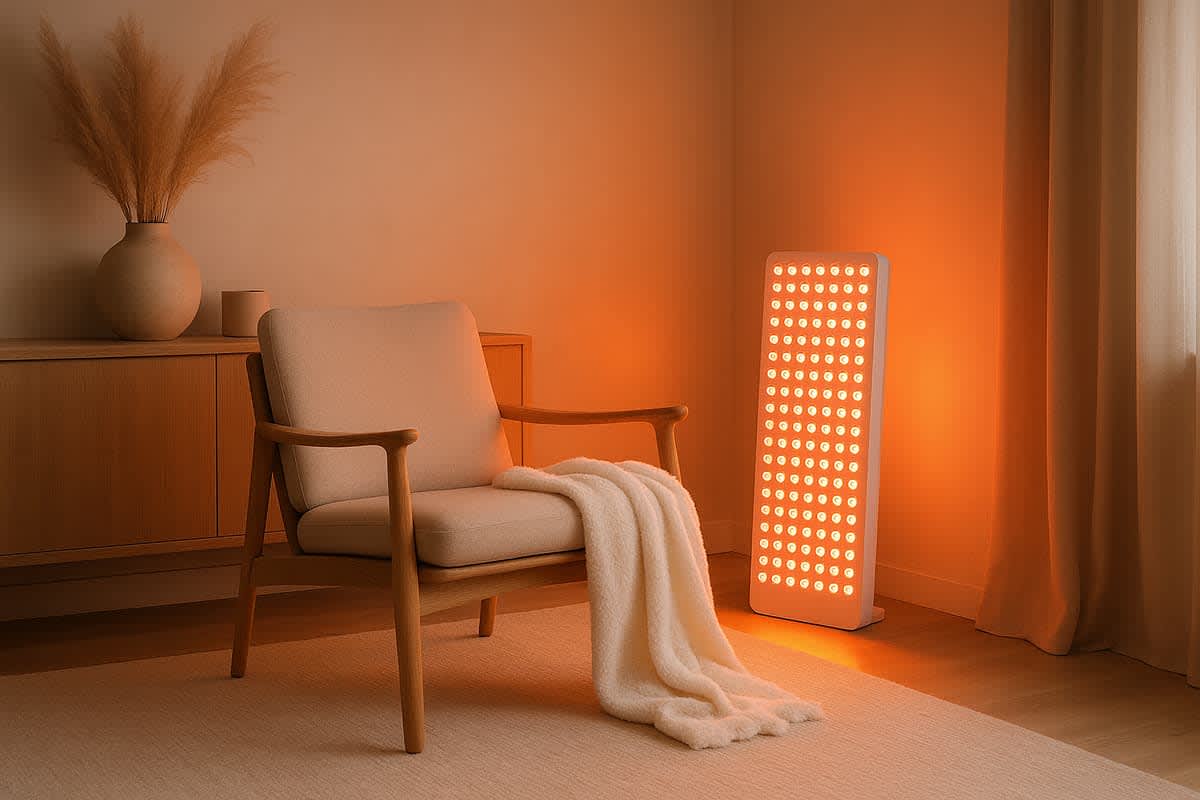
At-home devices offer a one-time investment that can save money over months or years of use. Basic light therapy lamps for SAD start at around $30, while professional-grade red light therapy panels cost $500 to $3,000+.
| Device Type | Price Range |
|---|---|
| SAD light box (10,000 lux) | $30 – $150 |
| Handheld red light device | $50 – $300 |
| Tabletop red light panel | $100 – $500 |
| Half-body red light panel | $300 – $1,000 |
| Full-body red light panel | $800 – $1,500 |
| Medical-grade home system | $1,500 – $3,000+ |
| Blue light acne device | $30 – $200 |
| LED face mask | $50 – $500 |
When comparing at-home devices to professional treatments, the break-even point usually arrives within two to four months of regular use. For example, a $600 panel pays for itself after about six to twelve professional sessions at $50 to $100 each.
FDA-cleared devices (Class 2 medical-grade) have undergone rigorous testing for safety and effectiveness, while FDA-registered devices only meet basic safety standards without clinical validation. At-home consumer devices are typically FDA-registered, not FDA-cleared. This difference significantly impacts treatment quality and results.
At-home devices work well for maintenance and general wellness but may not deliver the same intensity or results as professional-grade equipment. People treating specific medical conditions may still benefit from starting with professional sessions before transitioning to home use.
Cost by type of light therapy
Light therapy is not a single treatment. It includes multiple modalities, each targeting different conditions and using different wavelengths of light. Costs vary considerably depending on the type you choose.
| Type of Light Therapy | Primary Use | Cost per Session |
|---|---|---|
| Red light therapy (RLT) | Skin health, pain relief, muscle recovery | $50 – $150 |
| Near-infrared therapy (NIR) | Deep tissue healing, inflammation | $50 – $200 |
| Bright light therapy | SAD, circadian rhythm disorders, depression | $30 – $150 (device) |
| Blue light therapy | Acne, psoriasis, precancerous lesions | $100 – $400 |
| Photodynamic therapy (PDT) | Skin cancer, actinic keratosis | $200 – $600 |
| UV light therapy (phototherapy) | Psoriasis, eczema, vitiligo | $100 – $300 |
| LED light therapy (facial) | Anti-aging, skin rejuvenation | $50 – $200 |
Red light therapy
Red light therapy is the most popular form and uses wavelengths between 630 and 700 nanometers. Single sessions cost $50 to $150 at most clinics, while med-spas using medical-grade equipment charge $200 to $400. This therapy targets skin rejuvenation, collagen production, wound healing, and pain reduction.
Near-infrared therapy, which often accompanies red light therapy, penetrates deeper into tissue for joint pain, inflammation, and muscle recovery. Combined red and near-infrared devices are common in professional settings and typically do not cost more than standalone red light sessions.
Bright light therapy for SAD
Bright light therapy for seasonal affective disorder is one of the most affordable forms. Rather than paying for repeated clinic visits, most people purchase a 10,000-lux light box for $30 to $150 and use it at home for 20 to 30 minutes each morning during fall and winter months.
Some psychiatrists and therapists offer supervised light therapy sessions, typically bundled with consultation fees of $100 to $300. However, most healthcare providers recommend purchasing a home device as the primary treatment method.
Blue light and photodynamic therapy
Blue light therapy performed by dermatologists costs $100 to $400 per session and is commonly used for acne, sun damage, and precancerous skin lesions. Photodynamic therapy, which combines a photosensitizing agent with light exposure, is more expensive at $200 to $600 per session and is typically reserved for medical conditions rather than cosmetic concerns.
UV light therapy (phototherapy)
Narrowband UVB phototherapy for psoriasis, eczema, and vitiligo costs $100 to $300 per session at a dermatologist's office. Most treatment plans require two to three sessions per week for several months, making total costs reach $2,000 to $10,000 without insurance. Home UVB units cost $1,500 to $6,000 and may be covered with a prescription.
Pricing models and packages
Most light therapy providers offer several pricing structures designed to accommodate different budgets and treatment frequencies. Since consistent use is essential for lasting results, packages and memberships typically deliver the best value.
| Pricing Model | Typical Cost | Best For |
|---|---|---|
| Single session (drop-in) | $50 – $150 | Trying light therapy for the first time |
| Session packages (8 to 16 sessions) | $500 – $2,000 | Committed treatment plans with savings |
| Monthly membership | $80 – $200 per month | Ongoing, frequent treatment |
| Introductory offer or trial | $20 – $50 | New clients exploring options |
| Unlimited monthly plan | $150 – $300 per month | Daily or near-daily sessions |
Many providers offer introductory pricing or first-visit discounts to attract new clients. These trial sessions can cost as little as $20 to $50 and provide an opportunity to evaluate the equipment, environment, and staff before committing to a larger package.
Membership models are the most cost-effective option for regular users. For example, a membership at $200 per month with unlimited sessions (three or more per week) works out to roughly $15 to $17 per session, compared to $50 to $150 for individual drop-in visits. Some memberships include enrollment fees of $25 to $50 and may require a 6- to 12-month commitment.
Factors that affect light therapy cost
Several variables influence what you'll pay for light therapy, whether at a clinic or using an at-home device. Understanding these factors helps you compare options and find the best value for your specific needs.
| Cost Factor | Impact on Price |
|---|---|
| Equipment quality (FDA-cleared vs. registered) | FDA-cleared devices cost 30% to 100% more |
| Session length | Longer sessions (20 to 30 min) cost more than short ones (10 min) |
| Treatment area (targeted vs. full-body) | Full-body treatments cost 50% to 100% more |
| Geographic location | Urban areas charge 20% to 40% more than rural |
| Provider credentials | Dermatologists and MDs charge more than wellness studios |
| Type of light therapy | Photodynamic therapy costs the most; bright light therapy costs the least |
| Frequency of treatment | Bulk packages and memberships reduce per-session cost |
Equipment quality
The single biggest price driver is the equipment used. FDA-cleared, Class 2 medical-grade devices, such as the Contour Light system (valued at approximately $40,000), deliver clinically validated results. Treatments on these systems cost significantly more than those using consumer-grade or FDA-registered devices that have not undergone the same rigorous testing.
Location and provider type
A red light therapy session at a boutique wellness studio in a mid-sized city might cost $50, while the same duration at a Manhattan or Los Angeles med-spa could run $300 or more. Provider type matters as well. Dermatologists and physicians charge premium rates that reflect their medical training and overhead costs, while standalone light therapy studios operate with lower margins and more accessible pricing.
Session length and treatment area
Most sessions range from 10 to 30 minutes. Shorter, targeted sessions for a specific area (face, knee, shoulder) are generally less expensive than full-body treatments. Full-body red light therapy beds or panel systems that treat the entire body simultaneously cost more per session but offer broader benefits.
Insurance and financing
Most cosmetic and wellness-focused light therapy treatments are not covered by health insurance. However, medically prescribed phototherapy for conditions like psoriasis, eczema, and certain skin cancers may be partially or fully covered.
| Scenario | Insurance Coverage |
|---|---|
| Red light therapy for anti-aging | Not covered |
| Bright light therapy for SAD | Device sometimes covered with prescription |
| UVB phototherapy for psoriasis | Often covered with prior authorization |
| Photodynamic therapy for skin cancer | Typically covered as medical treatment |
| Blue light therapy for actinic keratosis | Usually covered under dermatology benefits |
| Red light therapy for pain management | Rarely covered; case-by-case basis |
If you are pursuing light therapy for a diagnosed medical condition, ask your provider to submit a prior authorization request to your insurance company. Some plans cover home phototherapy units when prescribed by a dermatologist, potentially saving thousands in clinic visit costs.
Many light therapy devices and treatments qualify as eligible expenses under Health Savings Accounts (HSA) and Flexible Spending Accounts (FSA), especially when prescribed by a healthcare provider. This allows you to pay with pre-tax dollars, effectively reducing your cost by 20% to 35% depending on your tax bracket.
Financing options like CareCredit and afterpay-style plans are available at many clinics, allowing you to spread the cost of packages over several months with low or no interest. Some providers also offer in-house payment plans for larger session packages.
Benefits of light therapy
Light therapy offers a wide range of health and wellness benefits depending on the type and wavelength used. Understanding these benefits helps justify the investment and guides you toward the right type of therapy for your goals.
| Benefit | Type of Light Therapy |
|---|---|
| Reduced inflammation and pain relief | Red light, near-infrared |
| Improved skin health and collagen production | Red light, LED |
| Faster muscle recovery | Red light, near-infrared |
| Reduced symptoms of SAD and depression | Bright light therapy |
| Acne reduction | Blue light, red light |
| Psoriasis and eczema management | UVB phototherapy |
| Wound healing | Red light, near-infrared |
| Improved circulation and cellular energy | Red light, near-infrared |
Red light therapy stimulates collagen production, reduces wrinkles, and accelerates wound healing. Athletes use it for faster muscle recovery and reduced soreness after intense training. Clinical studies show improvements in conditions like arthritis, tendonitis, and chronic pain with consistent use.
Bright light therapy remains the gold-standard non-pharmaceutical treatment for SAD, with research supporting its effectiveness in 50% to 80% of cases when used correctly. Daily morning exposure of 20 to 30 minutes at 10,000 lux can produce noticeable mood improvements within one to two weeks.
How long do results last?
The duration of light therapy benefits varies by individual and condition. Many users experience relief lasting several days to a few weeks after treatment. Maintaining results typically requires ongoing sessions, starting with multiple treatments per week and tapering to a maintenance frequency over time.
For SAD, daily use throughout the fall and winter months is standard. Skin and pain benefits from red light therapy generally require at least 8 to 12 initial sessions before results become noticeable, with maintenance sessions of one to two times per week recommended afterward.
Safety considerations
Light therapy is generally considered safe when administered properly. Red light and near-infrared therapy use low-level wavelengths without UV rays, meaning they do not cause skin damage or burns when used as directed.
| Safety Factor | Details |
|---|---|
| UV exposure risk | None with red light or bright light therapy; present with UVB phototherapy |
| Eye safety | Protective eyewear recommended for most types |
| Skin sensitivity | Minimal with red light; possible with blue light and UVB |
| Medication interactions | Some medications increase photosensitivity |
| Side effects | Rare; may include mild headache, eye strain, or skin redness |
Side effects are uncommon and typically mild. They may include temporary headache, eye strain, or slight skin redness. People taking photosensitizing medications should consult their doctor before starting any light therapy. UVB phototherapy carries additional risks, including potential skin aging and increased skin cancer risk with prolonged use, making professional supervision essential.
Always use protective eyewear during light therapy sessions, especially with blue light and UVB treatments. If you are pregnant, have a history of skin cancer, or take medications that increase light sensitivity (such as certain antibiotics, retinoids, or lithium), consult your healthcare provider before beginning light therapy.
Frequently asked questions
Is light therapy worth the cost?
For many people, yes. Light therapy provides measurable benefits for skin health, pain management, mood disorders, and chronic skin conditions. The key is consistency. Purchasing a membership or at-home device rather than paying per session significantly reduces the long-term cost. A $100 light box for SAD, for example, can replace months of more expensive treatments or supplement antidepressant medication.
How many sessions do you need?
Most providers recommend starting with 8 to 16 sessions over four to eight weeks for red light therapy, with three or more sessions per week during the initial phase. After the initial period, one to two maintenance sessions per week help sustain results. For SAD, daily use throughout the darker months is standard protocol.
Are at-home devices as effective as professional treatments?
At-home devices can be effective for general wellness and maintenance, but they typically deliver lower power output than professional-grade systems. Medical-grade clinic devices often use 100 to 300+ milliwatts per square centimeter, while consumer devices may produce 20 to 80 milliwatts per square centimeter. For serious conditions, starting with professional treatments and transitioning to home maintenance is a common approach.
What is the difference between FDA-cleared and FDA-registered devices?
FDA-cleared devices have undergone rigorous clinical testing to prove they are both safe and effective for specific uses. These are classified as Class 2 medical devices. FDA-registered devices have only been listed with the FDA and meet basic safety standards without clinical validation of effectiveness. Treatments using FDA-cleared devices cost more but deliver more reliable, proven results.
Does insurance cover light therapy?
Insurance typically does not cover cosmetic or wellness light therapy treatments. However, medically necessary phototherapy for conditions like psoriasis, eczema, vitiligo, and certain skin cancers is often covered with prior authorization. Bright light therapy devices for SAD may also be covered when prescribed. Check with your insurance provider for specific coverage details.
How can I save money on light therapy?
The most effective ways to reduce costs include purchasing a monthly membership instead of paying per session, buying session packages in bulk, using introductory or trial offers, investing in a quality at-home device for long-term use, and paying with HSA or FSA funds. Some clinics also offer referral discounts and seasonal promotions. You may also want to explore other complementary wellness treatments like cryotherapy, float therapy, salt therapy, or acupuncture that are often available at the same wellness centers and may be bundled into membership packages.